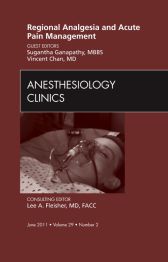
Regional Analgesia and Acute Pain Management, An Issue of Anesthesiology Clinics, 1st Edition
Author :
By Sugantha Ganapathy, MD and Vincent W S Chan, MD BSc MDCM FRCP(Can)
This issue brings the anesthesiologist up to date on current essential topics in regional analgesia and acute pain management, including the latest state-of-the-art techniques and drugs. Subjects covered include prevention and treatment of local ane
...view more
This issue brings the anesthesiologist up to date on current essential topics in regional analgesia and acute pain management, including the latest state-of-the-art techniques and drugs. Subjects covered include prevention and treatment of local anesthetic systemic and neurotoxicity; complications of RA and pain management (medicolegal issues including anticoagulation, infection, etc.); assessment and treatment of post block neurologic injury (history, physical, investigations, EMG, NCS); new ultrasound guided techniques for peripheral nerve blocks and evidence based outcome review; emerging techniques and drugs for neuraxial and paravertebral blocks; local infiltration analgesia (for a variety of surgical procedures, wound infusions, infusion devices); continuous PNB in hospital and at home; recent advances in multimodal analgesia (new drugs & strategies, such as capsaisin, long acting opioid and local anesthetics); challenges in acute pain management (including the opioid tolerant patient, patients with comorbidities such as MS, DM and renal failure); economics and practice management issues associated with acute pain management; pediatric pain management; new concepts of acute pain management (including strategies to prevent chronic pain, opioid induced hyperalgesia, and more).
This issue brings the anesthesiologist up to date on current essential topics in regional analgesia and acute pain management, including the latest state-of-the-art techniques and drugs. Subjects covered include prevention and treatment of local anesthetic systemic and neurotoxicity; complications of RA and pain management (medicolegal issues including anticoagulation, infection, etc.); assessment and treatment of post block neurologic injury (history, physical, investigations, EMG, NCS); new ultrasound guided techniques for peripheral nerve blocks and evidence based outcome review; emerging techniques and drugs for neuraxial and paravertebral blocks; local infiltration analgesia (for a variety of surgical procedures, wound infusions, infusion devices); continuous PNB in hospital and at home; recent advances in multimodal analgesia (new drugs & strategies, such as capsaisin, long acting opioid and local anesthetics); challenges in acute pain management (including the opioid tolerant patient, patients with comorbidities such as MS, DM and renal failure); economics and practice management issues associated with acute pain management; pediatric pain management; new concepts of acute pain management (including strategies to prevent chronic pain, opioid induced hyperalgesia, and more).
Author Information
By Sugantha Ganapathy, MD, University of Western Ontario; Vincent W S Chan, MD BSc MDCM FRCP(Can), Professor, Department of Anesthesia, University of Toronto, Canada; Board Member, American Society of Regional Anesthesia and Pain Medicine and Member, Committee on Regional Anesthesia, American Society of Anesthesiologists
By Sugantha Ganapathy, MD, University of Western Ontario; Vincent W S Chan, MD BSc MDCM FRCP(Can), Professor, Department of Anesthesia, University of Toronto, Canada; Board Member, American Society of Regional Anesthesia and Pain Medicine and Member, Committee on Regional Anesthesia, American Society of Anesthesiologists
https://www.elsevierhealth.com.au/regional-analgesia-and-acute-pain-management-an-issue-of-anesthesiology-clinics-9781437724264.html299713Regional Analgesia and Acute Pain Management, An Issue of Anesthesiology Clinicshttps://www.elsevierhealth.com.au/media/catalog/product/9/7/9781437724264_7.jpg152.05168.95AUDInStock/Clinics/Medicine & Surgery/Anesthesiology/Medicine/Anesthesiology/Clinics/Clinics/Medicine/Anesthesiology/Japan Titles43887254335089505455450546665255041525983452631601418269243350884886536505455351451205259833This issue brings the anesthesiologist up to date on current essential topics in regional analgesia and acute pain management, including the latest state-of-the-art techniques and drugs. Subjects covered include prevention and treatment of local anesthetic systemic and neurotoxicity; complications of RA and pain management (medicolegal issues including anticoagulation, infection, etc.); assessment and treatment of post block neurologic injury (history, physical, investigations, EMG, NCS); new ultrasound guided techniques for peripheral nerve blocks and evidence based outcome review; emerging techniques and drugs for neuraxial and paravertebral blocks; local infiltration analgesia (for a variety of surgical procedures, wound infusions, infusion devices); continuous PNB in hospital and at home; recent advances in multimodal analgesia (new drugs & strategies, such as capsaisin, long acting opioid and local anesthetics); challenges in acute pain management (including the opioid tolerant patient, patients with comorbidities such as MS, DM and renal failure); economics and practice management issues associated with acute pain management; pediatric pain management; new concepts of acute pain management (including strategies to prevent chronic pain, opioid induced hyperalgesia, and more). This issue brings the anesthesiologist up to date on current essential topics in regional analgesia and acute pain management, including the latest state-of-the-art techniques and drugs. Subjects covered include prevention and treatment of local anesthetic systemic and neurotoxicity; complications of RA and pain management (medicolegal issues including anticoagulation, infection, etc.); assessment and treatment of post block neurologic injury (history, physical, investigations, EMG, NCS); new ultrasound guided techniques for peripheral nerve blocks and evidence based outcome review; emerging techniques and drugs for neuraxial and paravertebral blocks; local infiltration analgesia (for a variety of surgical procedures, wound infusions, infusion devices); continuous PNB in hospital and at home; recent advances in multimodal analgesia (new drugs & strategies, such as capsaisin, long acting opioid and local anesthetics); challenges in acute pain management (including the opioid tolerant patient, patients with comorbidities such as MS, DM and renal failure); economics and practice management issues associated with acute pain management; pediatric pain management; new concepts of acute pain management (including strategies to prevent chronic pain, opioid induced hyperalgesia, and more).00add-to-cart97814377242642011 and earlierProfessionalBy Sugantha Ganapathy, MD and Vincent W S Chan, MD BSc MDCM FRCP(Can)20111Book152w x 229h (6.00" x 9.00")Saunders19221 Jun 2011Please allow 10-14 working days for deliveryBy <STRONG>Sugantha Ganapathy</STRONG>, MD, University of Western Ontario; <STRONG>Vincent W S Chan</STRONG>, MD BSc MDCM FRCP(Can), Professor, Department of Anesthesia, University of Toronto, Canada; Board Member, American Society of Regional Anesthesia and Pain Medicine and Member, Committee on Regional Anesthesia, American Society of AnesthesiologistsClinicsClinicsThe Clinics: SurgeryUnited StatesNoNoNoNoPlease SelectPlease SelectPlease Select