Skip to Content

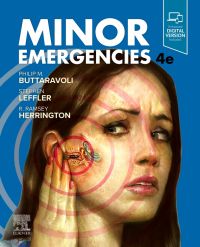
Minor Emergencies, 4th Edition

Author :
Edited by Philip Buttaravoli, MD, FACEP, Stephen Leffler, MD, FACEP and R. Ramsey Herrington, MD, FACEP
For clinicians who see patients suffering from non-life-threatening crises, Minor Emergencies, 4th Edition, provides concise, expert guidance on what to do and what not to do for nearly 200 common presentations, including both the ...view more
For clinicians who see patients suffering from non-life-threatening crises, Minor Emergencies, 4th Edition, provides concise, expert guidance on what to do and what not to do for nearly 200 common presentations, including both the correct procedural and pharmaceutical treatments. Completely updated with the latest equipment, devices, dosages, and techniques, this award-winning reference delivers fast, efficient guidance just when you need it. Instructional videos clearly demonstrate pearls and pitfalls of a wide variety of procedures. 
ISBN :
9780323662031
Publication Date :
28-05-2021
Stock Status :
IN STOCK
Earn 10 Points
Earn 9 Points
Add to Cart
For clinicians who see patients suffering from non-life-threatening crises, Minor Emergencies, 4th Edition, provides concise, expert guidance on what to do and what not to do for nearly 200 common presentations, including both the correct procedural and pharmaceutical treatments. Completely updated with the latest equipment, devices, dosages, and techniques, this award-winning reference delivers fast, efficient guidance just when you need it. Instructional videos clearly demonstrate pearls and pitfalls of a wide variety of procedures. 

Key Features
  • Offers a practical approach to common minor emergencies, with brief, to-the-point guidance on everything from febrile seizures in children, foreign body removal, and initial management of epistaxis to rib fractures, sacroiliac joint injection, and patellar dislocation reduction. 

  • Includes new ultrasound examples throughout, plus new chapters on floaters, prophylaxis following sexual exposure, leg edema, piercing complications, Taser injuries, and more. 

  • Provides at-a-glance guidance with "What to Do" and "What NOT to Do" checklists. 

  • Presents information in a highly templated format, with each topic given 2-3 pages of coverage. 

  • Features a discussion box at the end of each chapter with a quick overview of clinical manifestations, differential diagnosis, and other points of consideration—with evidence. 

  • Includes access to 38 procedural videos such as removing foreign body from skin, upper facial injury-fracture examination, and more. 

  • Offers procedural sedation recommendations from Dr. Daniel Wolfson. 

  • Enhanced eBook version included with purchase, which allows you to access all of the text, figures, and references from the book on a variety of devices 


Author Information
Edited by Philip Buttaravoli, MD, FACEP, Emergency Physician, Emergency Department, Veteran's Administration Medical Center, West Palm Beach, FL, Adjunct Assistant Professor, Division of Emergency Medicine, Larner College of Medicine at the University of Vermont, Burlington, VT, USA; Stephen Leffler, MD, FACEP, Stephen Leffler, MD, FACEP, Professor and Chief Operating Officer, University of Vermont Medical Center, Professor of Surgery, Division of Emergency Medicine, Larner College of Medicine at the University of Vermont, Burlington, VT, USA and R. Ramsey Herrington, MD, FACEP, R. Ramsey Herrington, MD, FACEP, Chief, Division of Emergency Medicine, Larner College of Medicine at the University of Vermont, Burlington, VT, USA
More Information
ISBN Number 9780323662031
Description Author List Edited by Philip Buttaravoli, MD, FACEP, Emergency Physician, Emergency Department, Veteran's Administration Medical Center, West Palm Beach, FL, Adjunct Assistant Professor, Division of Emergency Medicine, Larner College of Medicine at the University of Vermont, Burlington, VT, USA; Stephen Leffler, MD, FACEP, Stephen Leffler, MD, FACEP, Professor and Chief Operating Officer, University of Vermont Medical Center, Professor of Surgery, Division of Emergency Medicine, Larner College of Medicine at the University of Vermont, Burlington, VT, USA and R. Ramsey Herrington, MD, FACEP, R. Ramsey Herrington, MD, FACEP, Chief, Division of Emergency Medicine, Larner College of Medicine at the University of Vermont, Burlington, VT, USA
Copyright Year 2022
Edition Number 4
Format Book
Trim 191w x 235h (7.50" x 9.25")
Illustrations 120 illustrations (120 in full color)
Imprint Elsevier
Page Count 872
Publication Date 28 May 2021
Stock Status IN STOCK

eBooks : Built for busy schedules & tailored for your goals.

Affordable knowledge, built for you

Get the resources you need-often at a lower cost than print. Quality content designed to support your goals, without stretching your budget.

Seamless access wherever you are

Open your eBook on your laptop, tablet, or phone - online or offline. Learning fits into your life, no matter where you go.

Always in sync

Start reading on one device and pick up right where you left off on another. Your progress and notes stay with you, every step of the way.

Tools the make learning stick

Highlight key points, take notes, create flashcards, or listen to your eBook read aloud. Interactive features help you deepen your knowledge, your way.


Your eBook is ready whenever you are!

1.  Check your email for your access code.

2.  Sign into or create your VitalSource account and redeem your code.

3.  Open your eBook - ready whenever you are!

FAQ

The access code for your new eBook will be sent in your order confirmation email. Your code can also be accessed in your My Account section on the Elsevier webshop. If you do not receive your code within a few minutes, please check your spam folder.


Step-by-step guidance on how to download Bookshelf and also redeem your code can be found here.


The access code for your new eBook does not expire. However, we always suggest redeeming immediately after purchase to start experiencing the benefits of and insights from your purchase. Important to note - the code provided is a single use code and only valid for the edition you purchase. It does not provide access to past nor future editions of the title.


You will have unlimited access to your eBook on the device to which it was downloaded.


Discover the various learning features that our eBooks offer on the Bookshelf® Reader! For example, you can highlight different text passages, create notes and flashcards, have the text read to you, etc. Particularly practical: You can also use your eBooks offline. More information on the learning functions can be found on the Vitalsource page.


Quality is our top priority. That's why we collaborate with the leading eBook reader provider VitalSource. VitalSource has its own eBook reader Bookshelf®, which you can easily download. This reader is very user-friendly and offers more features than other standard readers. For example, you can highlight different text passages, create notes and flashcards, have the text read to you, etc. Particularly practical: You can also use your eBooks offline. More information can be found on the Vitalsource page.


Elsevier offers its eBooks in ePub format, as we believe this format is best suited to display our content ideally on as many devices as possible.


You can return your eBook within 13 days of purchase. eBooks that have been partially printed or flipped through more than 15% are excluded from returns.

Any questions ?

Support Center >

Top Picks from Our Community

PART 1: Neurologic and Psychiatric Emergencies

1. Dystonic Drug Reaction

2. Heat Illness (Heat Edema, Heat Syncope, Heat Cramps, Heat Exhaustion)

3. Hyperventilation

4. Hysterical Coma or Pseudoseizure

5. Idiopathic Facial Paralysis (Bell's Palsy)

6. Migraine Headache

7. Seizures (Convulsions, Fits), Adult

8. Seizures (Convulsions, Fits), Febrile and Pediatric

9. Tension-Type (Muscle Contraction) Headache

10. Trivial, Minimal, and Minor Head Trauma (Concussion)

11. Vasovagal or Neurocardiogenic or Neurally Mediated Syncope (Faint, Swoon)

12. Vertigo (Dizziness, Lightheadedness)

13. Weakness

PART 2: Ophthalmologic Emergencies

14. Conjunctivitis (Pink Eye)

15. Contact Lens Complications

16. Corneal Abrasion

17. Floaters

18. Foreign Body, Conjunctival

19. Foreign Body, Corneal

20. Hordeolum (Sty)

21. Iritis (Acute Anterior Uveitis)

22. Periorbital and Conjunctival Edema

23. Periorbital Ecchymosis (Black Eye)

24. Removal of Dislocated Contact Lens

25. Subconjunctival Hemorrhage

26. Ultraviolet Keratoconjunctivitis (Welders or Tanning Bed Burn)

PART 3: Ear, Nose, and Throat Emergencies

27. Cerumen Impaction (Earwax Blockage)

28. Epistaxis (Nosebleed)

29. Foreign Body, Ear

30. Foreign Body, Nose

31. Foreign Body, Throat

32. Laryngotracheobronchitis (Croup)

33. Mononucleosis (Glandular Fever)

34. Nasal Fracture (Broken Nose)

35. Otitis Externa (Swimmer's Ear), Acute

36. Otitis Media, Acute

37. Otitis Media with Effusion; Serous (Secretory) Otitis Media (Glue Ear)

38. Perforated Tympanic Membrane (Ruptured Eardrum)

39. Pharyngitis (Sore Throat)

40. Rhinitis, Acute (Runny Nose)

41. Rhinosinusitis (Sinusitis)

PART 4: Oral and Dental Emergencies

42. Aphthous Ulcer, Acute

43. Avulsed Tooth, Dental Subluxation, and Dental Luxation

44. Bleeding after Dental Surgery

45. Burning Mouth Syndrome, Burning Tongue (Glossodynia)

46. Dental Pain, Periapical Abscess (Tooth Abscess

47. Dental Pain, Pericoronitis

48. Dental Pain, Postextraction Alveolar Osteitis (Dry Socket)

49. Dental Pain, Pulpitis

50. Dental Trauma (Fracture, Subluxation, and Displacement)

51. Gingivitis and Acute Necrotizing Ulcerative Gingivitis (Trench Mouth)

52. Lacerations of the Mouth

53. Oral Candidiasis (Thrush or Yeast Infection)

54. Oral Herpes Simplex (Cold Sore, Fever Blister)

55. Orthodontic Complications

56. Perlèche (Angular Cheilitis)

57. Sialolithiasis (Salivary Duct Stones)

58. Temporomandibular Disorder

59. Temporomandibular Joint Dislocation (Jaw Dislocation)

60. Uvular Edema, Acute

PART 5: Pulmonary and Thoracic Emergencies

61. Bronchitis (Chest Cold), Acute

62. Costochondritis and Musculoskeletal Chest Pain

63. Inhalation Injury (Smoke Inhalation)

64. Irritant Incapacitant Exposure (Lacrimators, Riot Control Agents, Tear Gas)

65. Rib Fracture and Costochondral Separation (Broken Rib)

PART 6: Gastrointestinal Emergencies

66. Anal Fissure

67. Blocked Tubes (G-tube, J-tube)

68. Constipation, Irritable Bowel Syndrome, and Colic (Stomach Cramps)

69. Diarrhea (Acute Gastoenteritis)

70. Enterobiasis (Pinworm, Seatworm, Threadworm)

71. Esophageal Food Bolus Obstruction (Steakhouse Syndrome)

72. Foreign Body, Rectal

73. Foreign Body, Swallowed

74. Hemorrhoids (Piles)

75. Singultus (Hiccups)

76. Vomiting (Food Poisoning, Gastroenteritis)

PART 7: Urologic Emergencies

77. Blunt Scrotal Trauma

78. Colorful Urine

79. Epididymitis

80. Genital Herpes Simplex

81. Phimosis and Paraphimosis

82. Prostatitis, Acute Bacterial

83. Urethritis (Drip, Clap)

84. Urinary Retention, Acute

85. Urinary Tract Infection, Lower (Cystitis), Uncomplicated

PART 8: Gynecologic Emergencies

86. Bartholin Abscess

87. Condylomata acuminate (Genital Warts)

88. Contact Vulvovaginitis

89. Dysmenorrhea (Menstrual Cramps)

90. Foreign Body, Vaginal

91. Pelvic Inflammatory Disease (PID)

92. Prophylaxis Following Sexual Exposure

93. Vaginal Bleeding

94. Vaginitis

PART 9: Musculoskeletal Emergencies

95. Acromioclavicular (Shoulder) Separation

96. Ankle Sprain (Twisted Ankle)

97. Annular Ligament Displacement, Radial Head Subluxation (Nursemaid's Elbow)

98. Boutonnière Finger

99. Boxer's Fifth Metacarpal Fracture

100. Bursitis

101. Carpal Tunnel Syndrome

102. Cervical Strain (Whiplash)

103. Clavicle (Collarbone) Fracture

104. Coccyx Fracture (Tailbone Fracture)

105. DeQuervain's Paratenonitis (Thumb Tenosynovitis)

106. Extensor Tendon Avulsion-Distal Phalanx (Baseball or Mallet Finger)

107. Finger Dislocation (PIP Joint)

108. Finger Sprain (PIP Joint)

109. Fingertip (Tuft) Fractures

110. Flexor Digitorum Profundus Tendon Avulsion-Distal Phalanx (Splay Finger)

111. Ganglion Cysts

112. Gouty Arthritis, Acute

113. Knee Sprain

114. Lateral Epicondylitis (Tennis Elbow) and Medial Epicondylitis (Golfer's Elbow)

115. Ligament Sprains (Including Joint Capsule Injuries)

116. Locked Knee

117. Lumbar Strain ("Mechanical" Low Back Pain, Sacroiliac Dysfunction), Acute

118. Monarticular Arthritis, Acute

119. Muscle Cramps (Charley Horse)

120. Muscle Strains and Tears

121. Myofascial Pain Syndrome (Trigger-Points)

122. Patellar Dislocation

123. Plantar Fasciitis ("Heel Spur")

124. "Plantaris Tendon" Rupture, Gasrocnemius Muscle Tear (Calf Muscle Tear)

125. Radial Head Fracture

126. Radial Neuropathy (Saturday Night Palsy)

127. Scaphoid Fracture

128. Shoulder Dislocation

129. Tendinopathy: Tendinosis, Paratenonitis (Tendonitis)

130. Toe Fracture (Broken Toe)

131. Torticollis (Wryneck)

132. Ulnar Collateral Ligament Tear of the Thumb (Ski Pole or Gamekeeper's Thumb)

PART 10: Soft Tissue Emergencies

133. Bicycle Spoke Injury

134. Contusion (Bruise)

135. Fingernail or Toenail Avulsion

136. Fingertip Avulsion, Superficial

137. Fishhook Removal

138. Foreign Body beneath Nail

139. Impalement Injuries, Minor

140. Laceration, Simple

141. Leg Edema

142. Mammalian Bites

143. Marine Envenomations

144. Nailbed Laceration

145. Nail Root Dislocation

146. Needle (Foreign Body) in Foot

147. Needle Stick (Postexposure Prophylaxis)

148. Acute Paronychia

149. Pencil Point Puncture

150. Piercing Complications

151. Puncture Wounds

152. Ring Removal

153. Sliver, Superficial

154. Subcutaneous Foreign Bodies (Metal, Dental Fragments, Glass, Gravel, and Hard Plastic)

155. Subungual Ecchymosis; Tennis Toe

156. Subungual Hematoma

157. Superficial Thrombophlebitis/Bleeding Varicosity

158. Taser Injuries

159. Torn/Split Earlobe

160. Traumatic Tattoos and Abrasions

161. Zipper Entrapment (Penis or Chin)

PART 11: Dermatologic Emergencies

162. Allergic Contact Dermatitis

163. Arachnid Envenomation (Spider Bite)

164. Arthropod Bites (Bug Bites, Insect Bites)

165. Cutaneous Abscess or Pustule

166. Cutaneous Larva Migrans (Creeping Eruption)

167. Diaper Dermatitis (Diaper Rash)

168. Erysipelas, Cellulitis, Lymphangitis

169. Fire Ant Stings

170. Friction Blister

171. Frostnip, Frostbite, and Mild Hypothermia

172. Herpes Zoster (Shingles)

173. Hymenoptera (Bee, Wasp, Hornet) Envenomation

174. Impetigo

175. Partial-Thickness (Second-Degree) Burns and Tar Burns

176. Pediculosis (Lice, Crabs)

177. Pityriasis Rosea

178. Pyogenic Granuloma or Lobular Capillary Hemangioma (Proud Flesh)

179. Scabies (Human Itch Mite)

180. Sea Bather's Eruption (Sea Lice)

181. Sunburn

182. Tick Removal

183. Tinea Pedis, Tinea Cruris, Tinea Corporis (Athlete's Foot, Jock Itch, Ringworm)

184. Toxicodendron (Rhus) Allergic Contact Dermatitis (Poison Ivy, Oak, or Sumac)

185. Uticaria (Hives), Acute

186. Warts (Common and Plantar)

"This book is an easy read that offers quick referencing and QR videos for many hands-on technical explanations. The size of the text makes it easy to place in one's work area or bag to go." ©Doody’s Review Service, 2022, Sheffey N. Massey, DO (Regions Hospital)
Write Your Own Review
Only registered users can write reviews. Please sign in or create an account