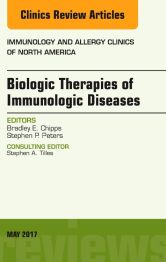
Biologic Therapies of Immunologic Diseases, An Issue of Immunology and Allergy Clinics of North America, 1st Edition
Author :
By Bradley E. Chipps, MD and Stephen P. Peters, MD
This issue of Immunology and Allergy Clinics, guest edited by Drs. Bradley Chipps and Stephen Peters, is devoted to Biologic Therapies of Immunologic Diseases. Articles in this issue include: Immunologic Mechanisms and Potential Targets; Strategies f
...view more
This issue of Immunology and Allergy Clinics, guest edited by Drs. Bradley Chipps and Stephen Peters, is devoted to Biologic Therapies of Immunologic Diseases. Articles in this issue include: Immunologic Mechanisms and Potential Targets; Strategies for Immunologic Interventions; Patient Characteristics and Individualization of Therapy; Biologic Therapies for Autoimmune and Connective Tissue Diseases; Biologic Therapies for Skin Disease including Urticaria; Biologic Therapies for Asthma; Biologic Therapies for Rhinitis and Sinusitis; Biologic Therapies for Chronic Obstructive Pulmonary Disease; Biologic Therapies for Food Allergies and Eosinophilic Esophagitis; Future Prospects for Biologic Therapies of Immunologic Diseases; Pharmacoeconomics of Biologic Therapy; and Adverse Reaction to Biologic Therapy.
This issue of Immunology and Allergy Clinics, guest edited by Drs. Bradley Chipps and Stephen Peters, is devoted to Biologic Therapies of Immunologic Diseases. Articles in this issue include: Immunologic Mechanisms and Potential Targets; Strategies for Immunologic Interventions; Patient Characteristics and Individualization of Therapy; Biologic Therapies for Autoimmune and Connective Tissue Diseases; Biologic Therapies for Skin Disease including Urticaria; Biologic Therapies for Asthma; Biologic Therapies for Rhinitis and Sinusitis; Biologic Therapies for Chronic Obstructive Pulmonary Disease; Biologic Therapies for Food Allergies and Eosinophilic Esophagitis; Future Prospects for Biologic Therapies of Immunologic Diseases; Pharmacoeconomics of Biologic Therapy; and Adverse Reaction to Biologic Therapy.
Author Information
By Bradley E. Chipps, MD, Capital Allergy and Respiratory Disease Center and Stephen P. Peters, MD, Wake Forest School of Medicine Harvard
https://www.elsevierhealth.com.au/biologic-therapies-of-immunologic-diseases-an-issue-of-immunology-and-allergy-clinics-of-north-america-9780323528429.html295255Biologic Therapies of Immunologic Diseases, An Issue of Immunology and Allergy Clinics of North Americahttps://www.elsevierhealth.com.au/media/catalog/product/9/7/9780323528429_8.jpg126.71168.95AUDInStock/Medicine & Surgery/Allergy & Clinical Immunology/Clinics/Medicine/Allergy & Clinical Immunology/Clinics/Clinics/Medicine/Allergy & Clinical Immunology/Japan Titles43351344388725505461250546665255041525990052631601418269243350884886536505455351451205259833This issue of Immunology and Allergy Clinics, guest edited by Drs. Bradley Chipps and Stephen Peters, is devoted to Biologic Therapies of Immunologic Diseases. Articles in this issue include: Immunologic Mechanisms and Potential Targets; Strategies for Immunologic Interventions; Patient Characteristics and Individualization of Therapy; Biologic Therapies for Autoimmune and Connective Tissue Diseases; Biologic Therapies for Skin Disease including Urticaria; Biologic Therapies for Asthma; Biologic Therapies for Rhinitis and Sinusitis; Biologic Therapies for Chronic Obstructive Pulmonary Disease; Biologic Therapies for Food Allergies and Eosinophilic Esophagitis; Future Prospects for Biologic Therapies of Immunologic Diseases; Pharmacoeconomics of Biologic Therapy; and Adverse Reaction to Biologic Therapy. This issue of Immunology and Allergy Clinics, guest edited by Drs. Bradley Chipps and Stephen Peters, is devoted to Biologic Therapies of Immunologic Diseases. Articles in this issue include: Immunologic Mechanisms and Potential Targets; Strategies for Immunologic Interventions; Patient Characteristics and Individualization of Therapy; Biologic Therapies for Autoimmune and Connective Tissue Diseases; Biologic Therapies for Skin Disease including Urticaria; Biologic Therapies for Asthma; Biologic Therapies for Rhinitis and Sinusitis; Biologic Therapies for Chronic Obstructive Pulmonary Disease; Biologic Therapies for Food Allergies and Eosinophilic Esophagitis; Future Prospects for Biologic Therapies of Immunologic Diseases; Pharmacoeconomics of Biologic Therapy; and Adverse Reaction to Biologic Therapy.00add-to-cart97803235284292017ProfessionalBy Bradley E. Chipps, MD and Stephen P. Peters, MD20171Book152w x 229h (6.00" x 9.00")Elsevier019 May 2017Please allow 10-14 working days for deliveryBy <STRONG>Bradley E. Chipps</STRONG>, MD, Capital Allergy and Respiratory Disease Center and <STRONG>Stephen P. Peters</STRONG>, MD, Wake Forest School of Medicine HarvardClinicsClinicsThe Clinics: Internal MedicineUnited StatesNoNoNoNoPlease SelectPlease SelectPlease Select