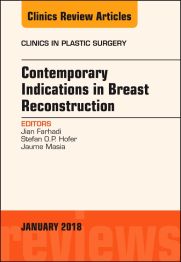
Contemporary Indications in Breast Reconstruction, An Issue of Clinics in Plastic Surgery, 1st Edition
Author :
By Jian Farhadi, MD, Stefan O.P. Hofer, MD, PhD, FRCS(C) and Jaume Masia, MD, PhD
This issue of Clinics in Plastic Surgery, Guest Edited by Drs. Stefan Hofer, Jian Farhadi and Jaume Masia, is devoted to Contemporary Indications in Breast Reconstruction. Articles in this comprehensive issue include: Modern approaches to surgic
...view more
This issue of Clinics in Plastic Surgery, Guest Edited by Drs. Stefan Hofer, Jian Farhadi and Jaume Masia, is devoted to Contemporary Indications in Breast Reconstruction. Articles in this comprehensive issue include: Modern approaches to surgical management of malignant breast disease and the role of breast conservation, complete mastectomy, skin and nipple sparing mastectomy; Radiation therapy and immediate breast reconstruction: Novel approaches and evidence base for radiation effects on the reconstructed breast; Current chemotherapy for breast cancer treatment and the evidence based interaction with autologous and implant based breast reconstruction; Indications and controversies in partial mastectomy defect reconstruction; Indications and controversies for implant-only based breast reconstruction; Indications and controversies for implant-based breast reconstruction utilizing biological meshes; Indications and controversies for implant-based breast reconstruction utilizing artificial meshes; Indications and controversies for complete and implant-enhanced latissimus dorsi breast reconstructions; Indications and controversies for abdominally-based complete autologous tissue breast reconstruction; Indications and controversies for non-abdominally-based complete autologous tissue breast reconstruction; Indications and controversies in partial lipofilling for breast reconstruction; Indications and controversies in complete breast reconstruction with lipofilling; Immediate versus delayed breast reconstruction: Evolving concepts and evidence base; Risk reducing mastectomy and breast reconstruction: Indications and evidence for current management strategies; and Patient-centered breast reconstruction by treating health-related quality of life in an evidence-based fashion.
This issue of Clinics in Plastic Surgery, Guest Edited by Drs. Stefan Hofer, Jian Farhadi and Jaume Masia, is devoted to Contemporary Indications in Breast Reconstruction. Articles in this comprehensive issue include: Modern approaches to surgical management of malignant breast disease and the role of breast conservation, complete mastectomy, skin and nipple sparing mastectomy; Radiation therapy and immediate breast reconstruction: Novel approaches and evidence base for radiation effects on the reconstructed breast; Current chemotherapy for breast cancer treatment and the evidence based interaction with autologous and implant based breast reconstruction; Indications and controversies in partial mastectomy defect reconstruction; Indications and controversies for implant-only based breast reconstruction; Indications and controversies for implant-based breast reconstruction utilizing biological meshes; Indications and controversies for implant-based breast reconstruction utilizing artificial meshes; Indications and controversies for complete and implant-enhanced latissimus dorsi breast reconstructions; Indications and controversies for abdominally-based complete autologous tissue breast reconstruction; Indications and controversies for non-abdominally-based complete autologous tissue breast reconstruction; Indications and controversies in partial lipofilling for breast reconstruction; Indications and controversies in complete breast reconstruction with lipofilling; Immediate versus delayed breast reconstruction: Evolving concepts and evidence base; Risk reducing mastectomy and breast reconstruction: Indications and evidence for current management strategies; and Patient-centered breast reconstruction by treating health-related quality of life in an evidence-based fashion.
Author Information
By Jian Farhadi, MD, Guy’s and St. Thomas’ Hospital (London, UK); Stefan O.P. Hofer, MD, PhD, FRCS(C), University of Toronto and Jaume Masia, MD, PhD, Hospital de la Santa Creu i Sant Pau (Barcelona, Spain)
By Jian Farhadi, MD, Guy’s and St. Thomas’ Hospital (London, UK); Stefan O.P. Hofer, MD, PhD, FRCS(C), University of Toronto and Jaume Masia, MD, PhD, Hospital de la Santa Creu i Sant Pau (Barcelona, Spain)
https://www.elsevierhealth.com.au/contemporary-indications-in-breast-reconstruction-an-issue-of-clinics-in-plastic-surgery-9780323566513.html295594Contemporary Indications in Breast Reconstruction, An Issue of Clinics in Plastic Surgeryhttps://www.elsevierhealth.com.au/media/catalog/product/9/7/9780323566513_7.jpg148.46197.93AUDInStock/Clinics/Medicine/Surgery/Clinics/Clinics/Medicine/Cardiology/Japan Titles438872550545835054666525504152598505263160This issue of Clinics in Plastic Surgery, Guest Edited by Drs. Stefan Hofer, Jian Farhadi and Jaume Masia, is devoted to Contemporary Indications in Breast Reconstruction. Articles in this comprehensive issue include: Modern approaches to surgical management of malignant breast disease and the role of breast conservation, complete mastectomy, skin and nipple sparing mastectomy; Radiation therapy and immediate breast reconstruction: Novel approaches and evidence base for radiation effects on the reconstructed breast; Current chemotherapy for breast cancer treatment and the evidence based interaction with autologous and implant based breast reconstruction; Indications and controversies in partial mastectomy defect reconstruction; Indications and controversies for implant-only based breast reconstruction; Indications and controversies for implant-based breast reconstruction utilizing biological meshes; Indications and controversies for implant-based breast reconstruction utilizing artificial meshes; Indications and controversies for complete and implant-enhanced latissimus dorsi breast reconstructions; Indications and controversies for abdominally-based complete autologous tissue breast reconstruction; Indications and controversies for non-abdominally-based complete autologous tissue breast reconstruction; Indications and controversies in partial lipofilling for breast reconstruction; Indications and controversies in complete breast reconstruction with lipofilling; Immediate versus delayed breast reconstruction: Evolving concepts and evidence base; Risk reducing mastectomy and breast reconstruction: Indications and evidence for current management strategies; and Patient-centered breast reconstruction by treating health-related quality of life in an evidence-based fashion. This issue of Clinics in Plastic Surgery, Guest Edited by Drs. Stefan Hofer, Jian Farhadi and Jaume Masia, is devoted to Contemporary Indications in Breast Reconstruction. Articles in this comprehensive issue include: Modern approaches to surgical management of malignant breast disease and the role of breast conservation, complete mastectomy, skin and nipple sparing mastectomy; Radiation therapy and immediate breast reconstruction: Novel approaches and evidence base for radiation effects on the reconstructed breast; Current chemotherapy for breast cancer treatment and the evidence based interaction with autologous and implant based breast reconstruction; Indications and controversies in partial mastectomy defect reconstruction; Indications and controversies for implant-only based breast reconstruction; Indications and controversies for implant-based breast reconstruction utilizing biological meshes; Indications and controversies for implant-based breast reconstruction utilizing artificial meshes; Indications and controversies for complete and implant-enhanced latissimus dorsi breast reconstructions; Indications and controversies for abdominally-based complete autologous tissue breast reconstruction; Indications and controversies for non-abdominally-based complete autologous tissue breast reconstruction; Indications and controversies in partial lipofilling for breast reconstruction; Indications and controversies in complete breast reconstruction with lipofilling; Immediate versus delayed breast reconstruction: Evolving concepts and evidence base; Risk reducing mastectomy and breast reconstruction: Indications and evidence for current management strategies; and Patient-centered breast reconstruction by treating health-related quality of life in an evidence-based fashion.00add-to-cart97803235665132017ProfessionalBy Jian Farhadi, MD, Stefan O.P. Hofer, MD, PhD, FRCS(C) and Jaume Masia, MD, PhD20181Book178w x 254hElsevier01 Nov 2017Please allow 7-10 working days for deliveryBy <STRONG>Jian Farhadi</STRONG>, MD, Guy’s and St. Thomas’ Hospital (London, UK); <STRONG>Stefan O.P. Hofer</STRONG>, MD, PhD, FRCS(C), University of Toronto and <STRONG>Jaume Masia</STRONG>, MD, PhD, Hospital de la Santa Creu i Sant Pau (Barcelona, Spain)ClinicsClinicsThe Clinics: SurgeryUnited StatesNoNoNoNoPlease SelectPlease SelectPlease Select